Telehealth 101
Virtual Urgent Care for Adults: When It Fits
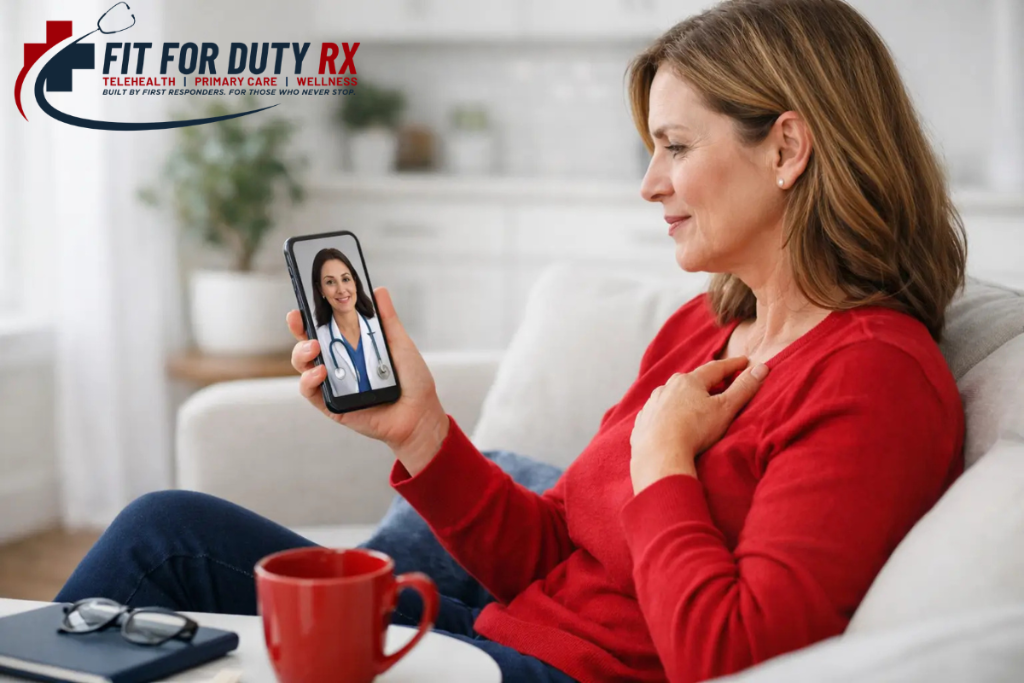
A sore throat at 9 p.m., a rash that showed up before a work trip, a sinus issue that refuses to wait until Friday. This is exactly where virtual urgent care for adults makes sense. It gives busy people a way to get timely medical attention without rearranging an entire day around traffic, waiting rooms, and office hours.
For many adults, the biggest barrier to care is not whether they want help. It is whether care can fit into real life. If you are balancing work deadlines, parenting, travel, caregiving, or simply trying to protect the few free hours you have, virtual urgent care can be a practical middle ground between doing nothing and heading to an in-person clinic.
What virtual urgent care for adults is really for
Virtual urgent care is built for non-emergency health concerns that still need prompt attention. Think upper respiratory symptoms, sinus pressure, pink eye, mild skin issues, urinary symptoms, allergies, minor digestive problems, or straightforward medication-related questions. These are common problems, but they can still disrupt your day, sleep, focus, and ability to function.
The value is not just speed. It is access to a licensed clinician who can review symptoms, ask follow-up questions, evaluate whether remote treatment is appropriate, and guide next steps. In many cases, that is enough to create a clear plan without requiring you to sit in a crowded waiting room for something manageable.
This model works especially well for adults because adult urgent care needs are often time-sensitive but not always physically complex. A lot of common complaints can be assessed through history, symptom timing, photos when relevant, and a focused virtual visit. When the issue fits the format, the experience can feel more efficient and more respectful of your time.
When virtual urgent care makes the most sense
The best use case is a problem that is uncomfortable, distracting, or getting worse, but does not suggest an emergency. If you have symptoms that are familiar, clearly described, and not rapidly escalating, a virtual visit can often move things forward quickly.
That might mean getting help for a lingering cough, cold symptoms that are not improving, seasonal allergy flare-ups, nausea, diarrhea, mild asthma follow-up guidance, or a skin concern that can be seen on camera or through images. It may also be useful when you need advice on whether your symptoms can be managed at home, need a prescription when clinically appropriate, or should be evaluated in person.
There is also a convenience factor that matters more than people sometimes admit. Many adults postpone care because the logistics feel disproportionate to the problem. If a virtual visit removes enough friction that you actually get evaluated sooner, that can be a meaningful advantage.
When virtual urgent care is not the right call
Convenience has limits, and good care means being honest about them. Virtual urgent care is not for emergencies. Chest pain, severe shortness of breath, signs of stroke, major injuries, heavy bleeding, severe allergic reactions, confusion, seizures, or any symptom that feels life-threatening needs immediate in-person emergency care.
There are also gray-area situations where a virtual visit may start the process but cannot finish it. Abdominal pain, dehydration, high fever in some contexts, worsening breathing problems, or symptoms that may require a hands-on exam, imaging, lab work, or vital sign monitoring can quickly move beyond what telehealth alone should handle.
That is not a weakness of the model. It is part of using the model correctly. Strong virtual care does not try to force every problem into a remote visit. It helps identify what can be managed online and what needs to be escalated.
What to expect from a virtual urgent care visit
A good virtual urgent care visit should feel focused, efficient, and clear. You will usually provide basic health information, current symptoms, timing, severity, and any relevant medical history. The clinician may ask targeted questions about recent illness exposure, medications, allergies, chronic conditions, or symptom changes.
If your concern is visual, like a rash, red eye, or skin irritation, photos may help. If your issue is respiratory or infection-related, expect questions that are designed to separate likely minor illness from signs that need in-person evaluation. If your concern involves urinary, digestive, or other private symptoms, the benefit of handling that from home can be significant. Privacy matters, and many adults are more likely to seek care when they can do it discreetly.
You should leave the visit knowing one of three things. Either your issue can be treated remotely, it can be monitored with a clear plan, or it needs in-person follow-up. That kind of clarity is often what people need most.
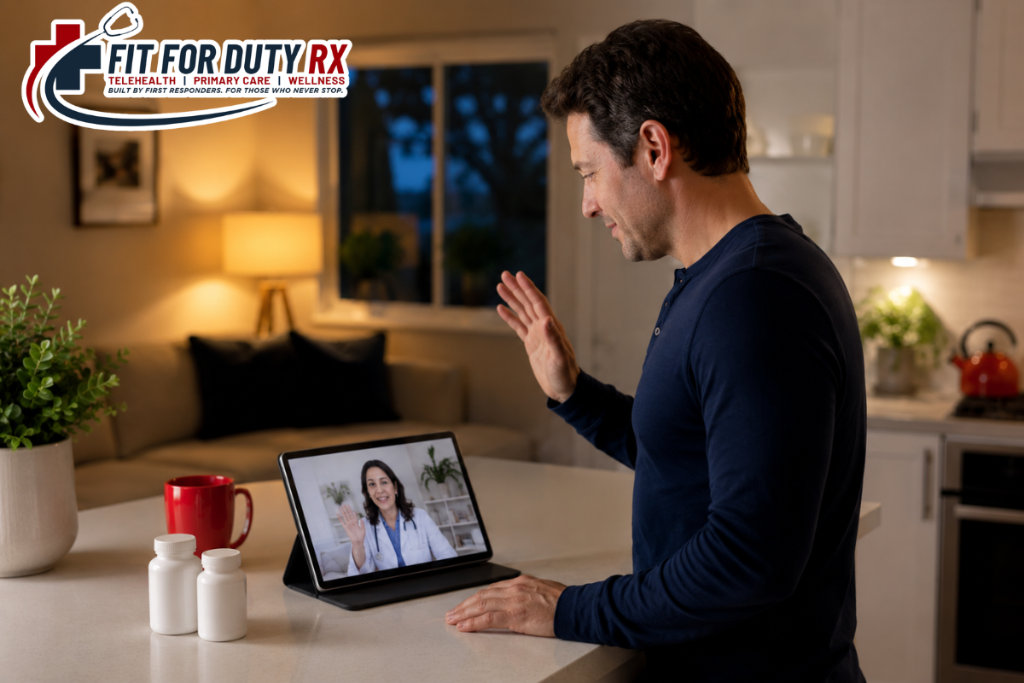
The trade-offs adults should understand
Virtual care is efficient, but it is not magic. The biggest advantage is speed and convenience. The biggest limitation is the absence of a hands-on exam. Whether that trade-off is acceptable depends on the problem.
For a straightforward sinus issue or minor skin complaint, the trade may be worth it. For a problem that depends on listening to the lungs, checking the abdomen, testing urine, or assessing joint stability, it may not be. Even within the same category, the answer can vary. A mild rash may be ideal for virtual care. A rash with swelling, fever, or rapid spread may not be.
Adults who use telehealth well tend to treat it as one tool, not the only tool. It can be a fast front door into care, but not every concern should stop there.
Why this model works for busy adults
Most adults are not avoiding care because they do not value their health. They are avoiding disruption. Traditional care often asks for a lot: commute time, waiting time, time off work, child care coordination, and schedule flexibility that many people simply do not have.
Virtual urgent care for adults works because it reduces the operational burden of getting help. You can address a time-sensitive issue from home, from the office between meetings, or while traveling, as long as you are in an eligible location for care. That matters for professionals with packed calendars, parents managing household logistics, and caregivers already stretched thin.
It also supports a more realistic relationship with healthcare. Instead of waiting until a problem gets worse because an appointment is inconvenient, adults have a lower-friction way to act earlier. Earlier does not always mean easier, but it often means more options.
How to decide if your issue fits a virtual visit
A simple test is to ask two questions. First, does this seem non-emergency but urgent enough that I should not ignore it? Second, is there a reasonable chance a clinician could assess this through conversation, symptom review, and visual information if needed?
If the answer to both is yes, virtual urgent care is often a sensible place to start. If the answer to either is no, especially if symptoms are severe, unusual, or rapidly worsening, in-person care is likely the better choice.
It also helps to be prepared. Before your visit, have a current medication list, allergies, relevant medical history, and a quick summary of when symptoms started and how they changed. If there is a visible issue, good lighting and clear photos can make the visit more useful.
The bigger benefit: care that people will actually use
The real promise of virtual urgent care is not that it replaces every clinic visit. It is that it makes competent care more usable for people with real schedules and real responsibilities. That is a meaningful shift.
For adults trying to stay on top of work, family, and everyday health, accessible care is not a luxury. It is part of functioning well. A platform like Fit For Duty Rx reflects that reality by making care simpler to reach, faster to navigate, and easier to fit into a demanding week.
The best healthcare option is often the one you will actually use when you need it. If virtual urgent care helps you address common problems sooner, with less friction and more clarity, that is not cutting corners. That is care built around real life.
Ready to see a provider?
Affordable telehealth memberships, no insurance needed. See what is included and get started in minutes.
This article is for general educational purposes only and is not medical advice. It does not create a provider-patient relationship. Always talk with a licensed healthcare provider about your individual situation. If you are experiencing a medical emergency, call 911 or go to your nearest emergency room.